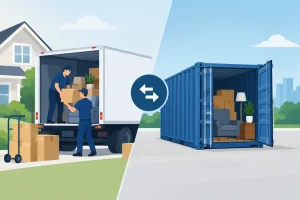
You usually find out how much stuff you own when the boxes start running out. What looked manageable room by room can turn into a full weekend of wrapping dishes, labeling cords, protecting furniture, and trying not to lose track of essentials. That is why packing services for house moves have become a practical option for families, renters, and homeowners who want less chaos and fewer last-minute problems.
Professional packing is not just about putting items into boxes. Done right, it protects fragile belongings, speeds up the moving process, and gives you a clearer plan from the start. For many moves across Long Island, NYC, and nearby areas, the real value is not convenience alone. It is reducing the risk of damage, delays, and the kind of stress that shows up when everything has to happen at once.
What packing services for house moves actually include
Most people hear “packing service” and think of someone boxing up dishes and taping cartons shut. In reality, the scope can be much wider. A full packing service often includes supplying materials, wrapping fragile items, protecting furniture, boxing room by room, labeling contents, and preparing items so movers can load them efficiently.
Some customers choose partial packing instead of a full-home service. That might mean handling only the kitchen, artwork, glassware, electronics, or other fragile items. This option makes sense if you are comfortable packing clothes and books yourself but want professional help where mistakes are costly.
Unpacking can also be part of the service. That usually includes placing boxes in the correct rooms, removing packing paper, and taking away debris. If you are trying to get a household functional quickly, unpacking support can be just as valuable as packing itself.
Why people hire packing help instead of doing it all themselves
Time is the biggest reason. Most house moves happen while people are still working, managing kids, coordinating building access, or handling closing dates and lease deadlines. Packing an entire home properly takes longer than most people expect, especially when it involves kitchenware, décor, framed pieces, and storage areas that have not been touched in years.
The second reason is protection. Packing fragile and high-value items is a skill. Plates need proper cushioning. Lamps need the right disassembly and wrapping. Artwork, mirrors, antiques, and electronics all require different handling. When packing is rushed or inconsistent, the damage often does not show up until unloading.
There is also the issue of moving day efficiency. A professionally packed home is easier to load, stack, and inventory. Boxes are more uniform, labels are clearer, and the crew can work faster. That can matter a lot if you are dealing with elevator reservations, narrow city time windows, or long-distance scheduling.
Full packing vs partial packing
A full packing service is best for larger moves, busy households, seniors, long-distance relocations, or anyone who simply does not have the time to prepare the house. It also makes sense when there are specialty items involved, such as antiques, artwork, piano accessories, or delicate décor that needs extra care.
Partial packing is often the better value if your move is straightforward and your goal is to get help only where it counts most. Many customers pack everyday items themselves and leave the kitchen, breakables, TVs, or oversized pieces to the professionals. That keeps costs more controlled while still reducing risk.
There is no universal right choice. It depends on your schedule, budget, and how comfortable you are packing correctly. The smartest decision is usually the one that prevents a rushed job the night before the move.
What affects the cost of packing services for house moves
Pricing depends on more than the number of boxes. The size of the home matters, of course, but so does the type of inventory. A three-bedroom house with standard furniture is different from a two-bedroom home filled with artwork, glass cabinets, or specialty items.
Labor time is a major factor. If a crew needs to carefully wrap fragile pieces, disassemble furniture, or organize items spread across a basement, attic, and garage, the packing portion will take longer. Materials also affect the total. Specialty cartons, dish packs, wardrobe boxes, shrink wrap, mattress bags, and custom protection for high-value items all add to the service level.
Access can influence pricing too. Walk-up apartments, tight hallways, strict building requirements, and difficult parking can all affect how efficiently a crew can work. That is one reason upfront estimates matter. Clear pricing should account for the real conditions of the job, not just a rough guess based on square footage.
When professional packing pays for itself
Not every move needs full-service packing, but there are situations where it becomes the cheaper option in the long run. One is long-distance moving. The farther your belongings travel, the more they need secure packing. Poorly packed boxes are much more likely to shift, collapse, or leave contents damaged after hours on the road.
Another is when you own items that are expensive or difficult to replace. Fine art, antiques, mirrors, chandeliers, collectibles, and electronics all need more than basic packing paper. Specialty handling is where experience matters most.
Packing help also pays off when your schedule is compressed. If you are moving on short notice or balancing work and family commitments, the cost of professional help can be less than the cost of lost time, rushed purchases, damaged items, or a delayed move-out.
How to tell if a packing company is worth hiring
Start with the basics. The company should be licensed and insured, clear about pricing, and willing to explain what is included. You should know whether materials are part of the estimate, whether the service is full or partial, and what level of protection is available for fragile or specialty items.
Experience matters, but specific experience matters more. Packing a standard apartment is not the same as preparing a home with antiques, pianos, artwork, or oversized furniture. If your inventory includes unusual or high-value pieces, ask direct questions about how those items are packed and transported.
It also helps to look for a company that can handle more than one part of the move. Packing, moving, storage, delivery coordination, and specialty transport often overlap. A provider that can manage those services together usually creates a more organized experience and fewer handoff issues.
How to prepare before the packers arrive
Even if you hire professionals, a little preparation makes the service more effective. Decluttering first is the biggest one. There is no reason to pay to pack items you already know you do not want. Old clothes, expired pantry goods, broken furniture, and duplicate household items should be dealt with before packing day if possible.
You should also separate the things you will carry yourself. That includes medications, important documents, jewelry, chargers, passports, keys, and any daily essentials you need immediate access to. Professional crews can pack almost anything in the house, but some items are simply better kept with you.
Finally, communicate clearly about priorities. If certain rooms need to be packed first, if some items are going into storage, or if there are pieces requiring special care, say that upfront. A good crew works faster when the plan is clear.
A better moving experience starts before the truck is loaded
Packing is one of the earliest steps in a move, but it influences everything that follows. Better packing leads to smoother loading, safer transport, faster unloading, and an easier first day in the new place. It is not just a convenience add-on. In many cases, it is the difference between a move that feels controlled and one that feels rushed from start to finish.
For customers who want affordable, upfront support without piecing together multiple vendors, a full-service mover with packing experience can simplify the whole process. Companies like Lowlow Shipping are built around that kind of practical support – handling not only the move itself, but the preparation that makes the move go right.
If your next move already feels like a lot, that is usually the clearest sign to get help before the boxes pile up.