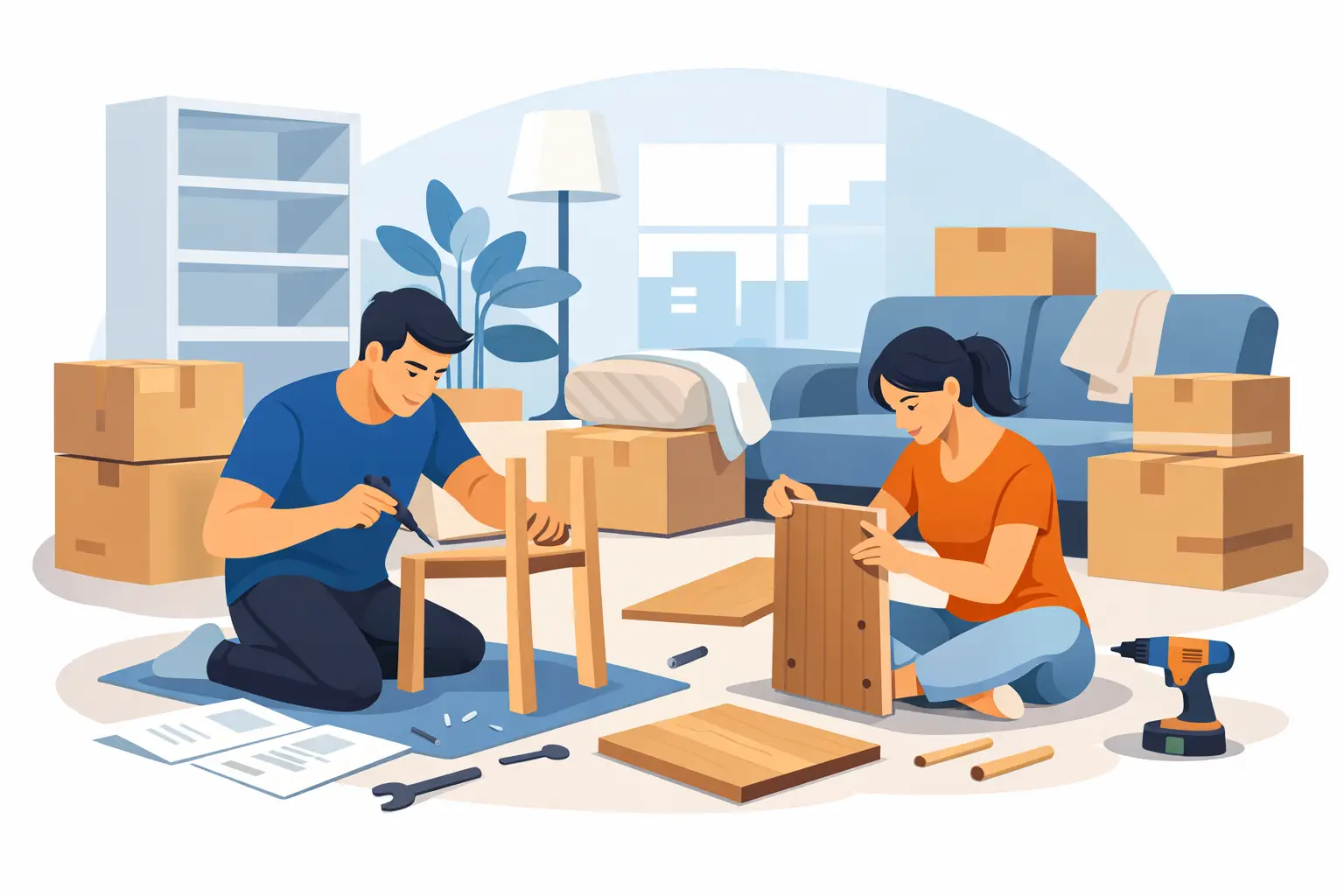
The first night in a new place usually tells you exactly how the move went. If the sofa is still in pieces, the bed frame is missing hardware, and the dining table is leaning against a wall, the job is not really finished. Furniture assembly after moving is the part many people underestimate, even though it has a direct impact on how quickly a house, apartment, or office starts feeling functional again.
Getting furniture reassembled is not just about putting pieces back together. It is about doing it safely, in the right order, and without turning a fresh move into another full day of stress. For families, renters, and business owners across Long Island and New York City, that last phase can be the difference between feeling settled and feeling stuck.
Why furniture assembly after moving matters more than people expect
A move tends to focus attention on the truck, the boxes, and the delivery window. Once everything arrives, people often assume the hard part is over. In reality, assembly is where a lot of small problems show up.
A bed assembled incorrectly can wobble or damage flooring. A desk put together too quickly can end up uneven, which matters more than it sounds if you work from home or run a business. Large pieces that were disassembled for transport, like sectionals, dining sets, office workstations, or entertainment centers, need to be rebuilt carefully so they are stable and positioned correctly in the room.
There is also the issue of momentum. When furniture stays unassembled for days, boxes tend to stay packed longer, rooms stay cluttered, and the move keeps dragging on. Reassembly helps create order fast. Once the bed, table, dresser, and seating are in place, it becomes much easier to unpack and settle into a routine.
The best order for furniture assembly after moving
Not every item should be assembled the minute it comes off the truck. The most efficient approach is to handle the pieces that make the space livable first.
Start with the essentials. In most homes, that means beds, major bedroom furniture, the kitchen or dining table if it is needed right away, and the main living room seating. For an office move, desks, workstations, and conference tables often come first because they affect whether the business can resume normal operations.
After that, focus on the pieces that are hardest to move once assembled. A large armoire, sectional, or executive desk should usually be placed exactly where it belongs before final tightening and setup. This is especially important in apartment buildings, narrow hallways, and multi-story homes where maneuvering space is limited.
Smaller accent furniture can wait. End tables, decorative shelving, and nonessential storage pieces are easier to fit in later once the room layout is clear.
Common mistakes that slow everything down
One of the biggest mistakes is tossing hardware into a single box without labels. Screws, brackets, washers, and support pins may all look similar after a move, but mixing them creates delays fast. If one bag goes missing, a single unfinished piece can hold up an entire room.
Another common problem is assembling furniture before confirming room placement. This happens a lot with beds, modular sofas, and office furniture. If the item goes together in the wrong spot, it may have to be partially taken apart again just to fit through a doorway or align with the room.
Rushing is another issue. After a long moving day, it is tempting to get everything done in one push. But fatigue leads to stripped screws, backward panels, scratched finishes, and unstable frames. It is often better to assemble the high-priority pieces correctly and leave the rest for a more organized second phase.
What to check before you start assembling
Before any tools come out, take inventory. Make sure all the major furniture components arrived and inspect for visible damage. It is much easier to identify whether a scratch, crack, or bent bracket happened during handling if you notice it before reassembly begins.
Next, group the hardware with each item. If the manufacturer instructions are available, keep them with the matching furniture. If the original paper instructions are gone, a quick photo of the model label taken before the move can help identify the piece later.
You should also clear enough working space. Trying to rebuild a bed frame in a room packed wall to wall with boxes makes the process slower and increases the chance of dents, tears, and misplaced parts. A little staging space saves time.
DIY or professional assembly?
This depends on the furniture, the timeline, and your tolerance for hassle. Some pieces are simple enough for a homeowner or renter to handle without much trouble. Basic metal bed frames, standard bookshelves, and small tables are usually manageable if the hardware is complete and the instructions are clear.
But not every item is worth handling yourself. Heavier wood furniture, modular office setups, complex entertainment units, bunk beds, and oversized sectionals can become frustrating quickly. Specialty items also require a lot more care. If the move includes antiques, custom pieces, fine furniture, or unusually heavy items, assembly is not a good place to experiment.
Professional help is often the better value when time matters. A trained crew can place, assemble, and secure large pieces faster than most people working on their own, and they are less likely to damage walls, flooring, or the furniture itself. That matters when you are trying to get fully set up in one day instead of stretching the job across a week.
For many customers, the real advantage is convenience. A move already involves enough scheduling, lifting, cleaning, and unpacking. Hiring experienced movers who also handle assembly keeps the process with one team instead of turning move-in day into a second project.
Tools and setup make a big difference
Even straightforward furniture assembly can go sideways if the tools are wrong. A basic household screwdriver might work for a lamp table, but larger items often need Allen keys, socket tools, drills with adjustable torque, furniture sliders, and protective padding.
The setup matters too. Floors should be protected, especially with wood or delicate tile. Wall clearance should be measured before tall pieces are raised into position. In smaller New York apartments, ceiling height and stair angles can affect whether a piece should be assembled flat, upright, or in sections.
That is one reason experienced movers approach assembly as part of the larger relocation plan, not as an afterthought. Placement, access, protection, and final tightening all work together.
When assembly is part of a full-service move
The smoothest moves usually happen when packing, transport, unloading, and reassembly are planned together. If a team knows in advance which pieces need to be disassembled, they can protect the components properly, keep hardware organized, and stage the truck for easier unloading.
That coordination cuts down on confusion at delivery. Instead of sorting through loose parts at the end of the day, the crew can bring furniture into the right rooms and rebuild the essential pieces in sequence. For families with children, busy professionals, and businesses trying to minimize downtime, that kind of structure makes a real difference.
This is where a full-service provider can save more than labor. It saves time, reduces mistakes, and helps customers avoid the hidden cost of piecing together different services from different vendors. Companies like Lowlow Shipping build value around that kind of practical support because customers want the move finished, not just delivered.
How to know the job is really done
A properly assembled room should feel usable right away. Beds should be stable, drawers should open cleanly, tables should sit level, and larger pieces should be secure and positioned where they belong. If anything wobbles, drags, tilts, or feels forced, it is worth correcting immediately instead of hoping it settles on its own.
It is also smart to keep any leftover hardware in a labeled bag after assembly is complete. Some furniture includes extra manufacturer pieces, but if several major parts remain unused, that is usually a sign something needs a second look.
Moving is stressful because it interrupts normal life. Good assembly work helps restore it. When the furniture is in place, the home feels livable, the office feels operational, and the boxes stop taking over every room. That is when a move starts to feel less like a project and more like a fresh start.