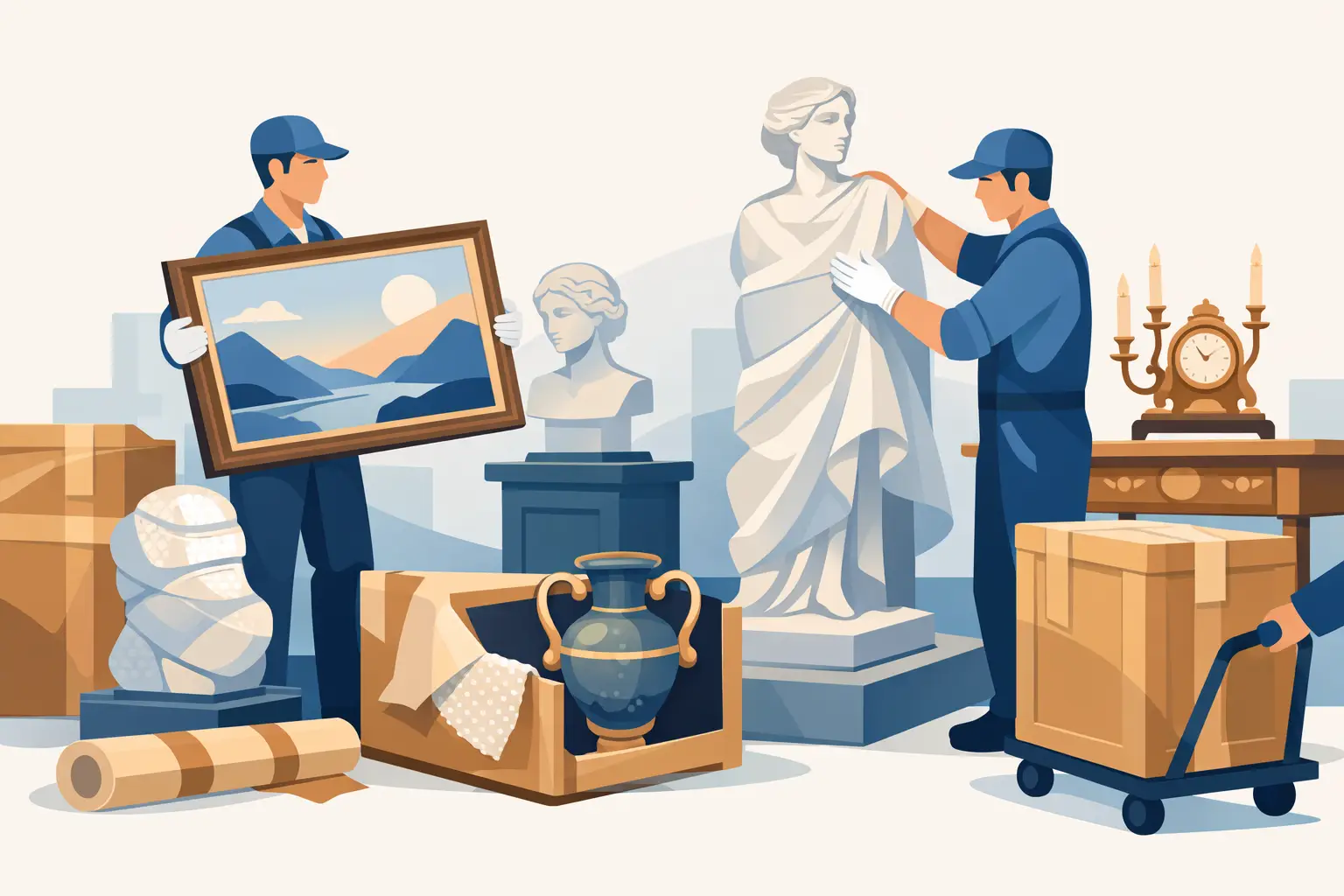
A framed canvas can look simple until it has to travel down a narrow stairwell, through a busy Manhattan lobby, or across Long Island in changing weather. Art movers handle the details that turn a fragile, valuable piece into a safe delivery – from assessing its condition and packing needs to securing it for transport and placing it carefully at its destination.
Whether you are moving a single inherited painting, furnishing a new home, relocating a gallery office, or clearing an estate, artwork deserves a plan that goes beyond ordinary moving. The right crew helps protect both the object itself and the peace of mind that comes with knowing it is being handled correctly.
When Art Movers Are the Right Choice
Professional art transport is not only for museum collections or million-dollar paintings. It is a smart choice whenever an item is fragile, unusually shaped, oversized, sentimental, or difficult to replace. That can include original paintings, framed prints, sculptures, mirrors, antiques, decorative glass, ceramic pieces, and valuable family collections.
A standard box and a quick trip in the back of a vehicle may be enough for low-risk items. But artwork is vulnerable to more than a direct drop. Frames can rack or separate under pressure. Canvas can puncture. Glass can crack from vibration. A sculpture may shift if its weight is not supported from the right points. Temperature, moisture, dust, and crowded loading areas can also create avoidable risks.
Art movers bring a more controlled approach. Before handling begins, the team looks at the size, weight, surface materials, frame condition, access points, and final placement. That assessment determines whether the piece needs padding, corner protection, shrink wrapping, a custom crate, specialty equipment, or additional labor.
What Professional Art Movers Do Differently
Careful handling begins before a piece is lifted. Experienced crews identify the safest way to carry an item, which areas should never bear weight, and how the piece should be positioned in the truck. Paintings are generally kept upright and secured so they do not slide or lean against unprotected surfaces. Sculptures may require custom stabilization to prevent movement during transit.
Packing materials matter, but technique matters just as much. Protective layers should shield the item without trapping pressure against delicate surfaces. Corners, frames, and edges need special attention. For a large framed piece, the crew may use corner protectors, padded moving blankets, stretch wrap around the exterior protection, and a properly sized crate when the shipment requires a higher level of security.
The truck setup is another major difference. Fine art should not be loaded like ordinary furniture. A well-planned load keeps fragile pieces away from heavy items that could shift, avoids stacking pressure, and uses straps and padding to reduce movement on the road. For local moves around Woodmere, Long Island, and New York City, the route and building access can be just as important as the miles traveled.
Planning for New York City and Long Island Moves
Moving artwork in this area often involves more than getting from point A to point B. Apartment elevators may need reservations. Co-ops and condos may require certificates of insurance. A brownstone stairway may be tight, while a suburban home may have a large piece mounted above a fireplace or on a second-floor landing.
A professional moving company should ask practical questions early: Where is the artwork located? Is there elevator access? Are there stairs, low ceilings, narrow hallways, or tight turns? Does the building have approved moving hours? Is the piece already packed, mounted, or crated? Clear answers help the crew arrive with the right people, materials, and equipment instead of making last-minute decisions on moving day.
For commercial clients, the plan may also include after-hours scheduling, inventory coordination, receiving services, storage, and staged delivery. A business relocating offices or redesigning a space may need artwork removed, protected, stored temporarily, and delivered after furniture installation is complete. Using one provider for those connected services can reduce handoffs and scheduling problems.
Packing Options Depend on the Artwork
There is no single packing method that fits every piece. A small, durable framed print needs different protection than an oil painting with an ornate frame. The goal is to match the level of protection to the item and the trip.
For a short local move, padded wrapping and secure truck placement may be appropriate for many framed works. For a large canvas, fragile antique, or long-distance shipment, custom crating may be the better choice. Crates provide a rigid outer layer and can be built to accommodate unusual dimensions. They are especially useful when an item will be transferred, stored, shipped over a longer distance, or exposed to multiple handling points.
Customers should be cautious about wrapping directly against painted or delicate surfaces. Bubble wrap can leave impressions or stick in certain conditions, and tape should never touch the artwork itself. If you are packing small pieces before movers arrive, use clean materials, protect corners, and label boxes clearly. When there is any doubt about the value or condition of an item, let trained professionals take over the packing.
How to Choose Art Movers You Can Trust
The lowest quote is not always the lowest overall cost if poor handling leads to damage, delays, or a stressful claim process. Look for a licensed and insured company with experience moving specialty items, clear pricing, and a crew that asks detailed questions before providing a plan.
It also helps to understand what is included in the estimate. Ask whether packing materials, crating, stairs, long carries, elevator waits, storage, or specialty labor affect the price. Upfront information makes it easier to compare options fairly and avoid surprises on moving day.
Communication is a strong sign of professionalism. A dependable company should explain the pickup window, crew size, packing approach, transport plan, and delivery process in plain language. You should know who to contact if access changes or you need to add an item to the move.
Lowlow Shipping Inc provides specialty moving support for art, antiques, pianos, and other difficult-to-move items alongside residential, commercial, packing, storage, and delivery services. That broader capability can be especially useful when artwork is only one part of a larger home, apartment, or office relocation.
Preparing Your Artwork Before Moving Day
You do not need to become an art handler to help the move go smoothly. Start by taking clear photos of each valuable piece, including close-ups of existing marks, frame wear, or surface damage. This creates a useful condition record and helps you communicate clearly with the movers.
Remove loose accessories or hanging hardware if it can be done safely. Keep certificates, appraisals, provenance paperwork, and insurance records separate from the artwork itself. If a piece has special instructions, such as keeping it upright or avoiding direct sunlight, share that information before moving day and again with the crew on arrival.
Make access easier where possible. Clear a path from the artwork to the exit, reserve elevators if required, and confirm parking or loading rules. Small preparations can prevent a rushed carry through a crowded space.
Safe Delivery Is More Than a Drop-Off
The job is not finished when the truck arrives. Artwork should be brought into the correct room, unwrapped carefully, and inspected before the crew leaves. If the piece is being placed in storage, it should be kept in a clean, dry, secure environment away from pressure, unstable stacking, and extreme temperature changes.
For installation, consider the wall structure, hardware, weight of the item, and the conditions of the room. Avoid placing valuable artwork directly above strong heat sources, in constant sun, or in damp areas. The move protects the piece for the trip, but thoughtful placement helps protect it afterward.
A valuable piece of art carries more than financial value. It may represent a major purchase, a family memory, or years of collecting. Choose a moving team that treats that responsibility seriously, plans the work clearly, and gives every item the careful attention it deserves.