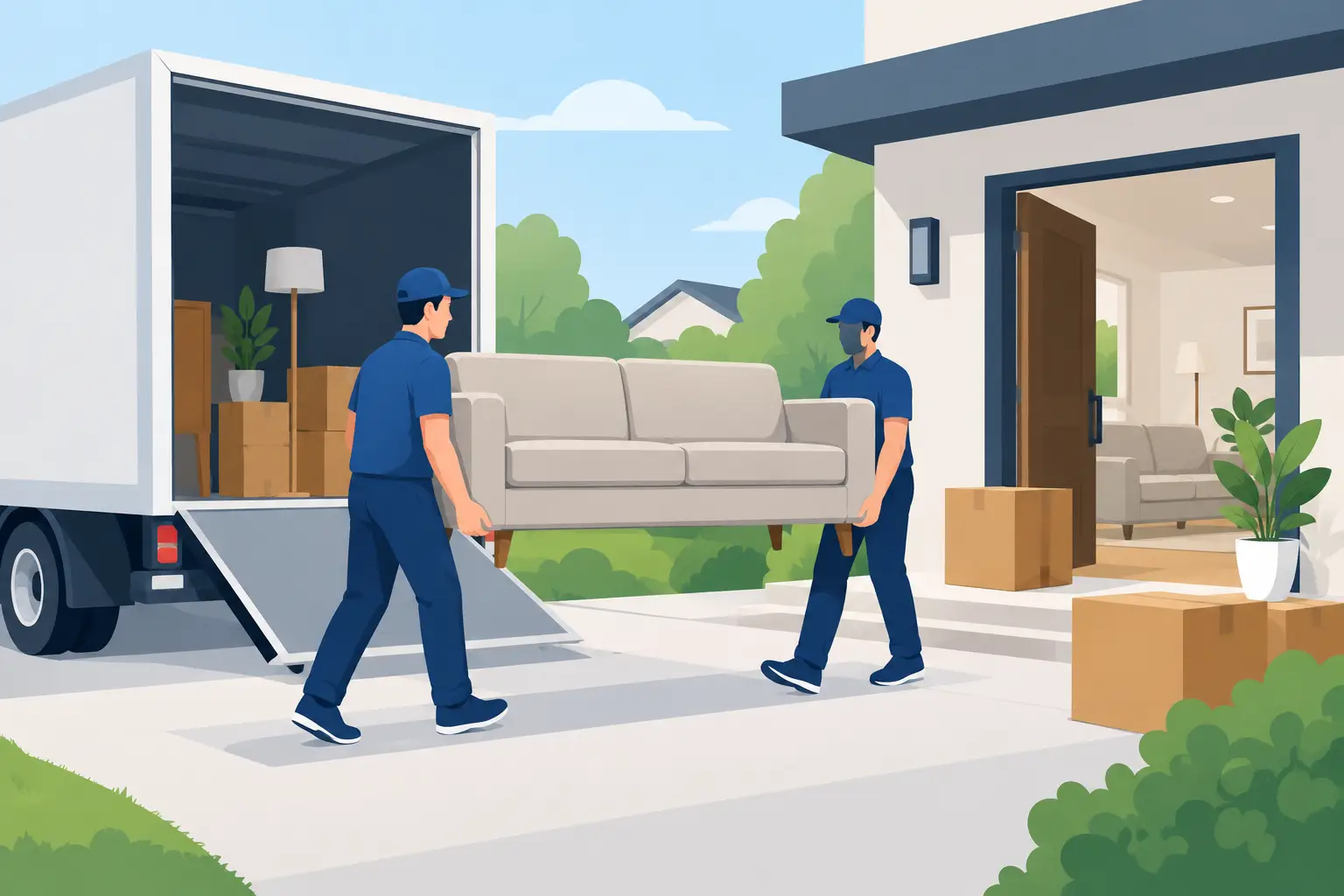
A sofa that fits perfectly in a showroom can become a serious problem when it meets a narrow Queens walk-up, a Long Island split-level staircase, or a Manhattan elevator with strict booking hours. This furniture delivery guide helps you plan for those real-world details before delivery day, so your furniture arrives safely, fits where it belongs, and does not create last-minute costs or delays.
Furniture delivery is not simply a truck pulling up to the curb. It involves access planning, item protection, building rules, careful handling, and clear communication. Whether you are furnishing a new apartment, receiving a single oversized piece, or coordinating an entire household move, preparation makes the difference.
Start With Measurements, Not Assumptions
The most common furniture delivery issue is not damage. It is discovering that a piece cannot make it through the front door, around a turn, or up the stairs. Measure the furniture at its widest, tallest, and deepest points, including legs, arms, hardware, and packaging when applicable.
Then measure the complete path from the truck to the final room. Check exterior gates, entry doors, hallways, stair landings, elevator interiors, low ceilings, and tight corners. A doorway may be wide enough, but the turn immediately after it may not be.
For apartment buildings, confirm elevator dimensions rather than relying on a building listing or memory. Service elevators can be smaller than expected, and some buildings require padding, a certificate of insurance, or a reserved delivery window. If a piece will not fit through the standard route, a professional team may be able to use a different entrance, remove legs or doors, or arrange specialized hoisting. Those options need to be discussed before the truck arrives.
Pay Attention to Packaging Dimensions
Flat-packed furniture and boxed items can be easier to bring inside, but not always. A large boxed sectional, dining table, or wardrobe may be more difficult to maneuver than the assembled item. Ask for the packaged dimensions and weight, especially when ordering furniture for an upper-floor apartment or a home with a narrow staircase.
Choose the Right Level of Furniture Delivery Service
Not every delivery has the same needs. Curbside delivery may work for a small, lightweight item when you have help available. For heavy, fragile, oversized, or high-value furniture, it often creates more risk than savings.
A room-of-choice delivery brings the item into the intended room, which is useful for beds, dressers, sofas, and large tables. White-glove-style service may also include unpacking, assembly, placement, and removal of packing materials. The right choice depends on the item, your property, and how much labor you can safely handle.
Consider professional help when furniture is unusually heavy, must go upstairs, has glass or marble components, requires assembly, or needs to be placed precisely. A solid wood armoire, a motorized recliner, and a stone-top dining table all require different handling methods. Trying to move them with inadequate help can damage the item, walls, flooring, or someone’s back.
Prepare the Home Before the Truck Arrives
Clear the delivery route before the scheduled window begins. Move shoes, boxes, rugs, small tables, and anything else that can create a trip hazard. If you are replacing old furniture, decide whether it will be moved to another room, placed outside for pickup, donated, or removed before delivery day.
Protecting your home matters just as much as protecting the furniture. Cover delicate floors when needed, secure loose rugs, and move wall art or lamps away from narrow pathways. In busy New York City buildings, let the doorman, superintendent, or property manager know about the delivery in advance. They may have rules about loading zones, elevator use, hours, and where trucks may park.
Parking is a practical concern throughout Long Island and NYC. A delivery team loses valuable time if there is nowhere safe or legal to stop near the entrance. If permits, loading dock reservations, or building approval are required, handle them early. This helps keep your delivery on schedule and prevents avoidable extra labor time.
Inspect Furniture at Every Stage
Take a few minutes to inspect the furniture when it arrives, before it is fully unwrapped or assembled. Look at the exterior of the packaging for crushed corners, punctures, water damage, or signs that the box was dropped. If you notice a concern, take clear photos and make a note on the delivery paperwork.
Once the item is unwrapped, inspect visible surfaces, corners, legs, drawers, hardware, and glass components. Test moving parts such as recliners, cabinet doors, and extension leaves before the delivery crew leaves when possible. This is especially helpful with complex furniture because it identifies issues while the condition and delivery circumstances are fresh.
Minor imperfections may be cosmetic, while structural damage can affect safety and long-term use. Do not assume a damaged item will be easy to return after it has been fully assembled, used, or moved again. Document concerns promptly and keep any related paperwork.
Protect Furniture During Delivery and Placement
Professional furniture handling starts with the right materials. Moving blankets, shrink wrap, corner guards, mattress bags, and proper strapping help prevent scratches, tears, and shifting during transport. Fragile pieces should be wrapped and secured separately instead of being stacked under heavier items.
Wood furniture needs protection from dents and moisture. Upholstered furniture needs protection from dirt, rain, and snags. Mirrors, glass tabletops, artwork, and antiques require careful packing and controlled handling. The goal is not just getting the item from point A to point B. It is delivering it in the same condition it was in when it was loaded.
Placement matters too. Avoid pushing heavy furniture across hardwood, tile, or vinyl flooring without sliders or protective pads. Once the piece is in place, add felt pads beneath legs where appropriate. Keep furniture away from direct heat, damp areas, and crowded pathways that can lead to bumps and wear.
Know What Affects Furniture Delivery Pricing
Clear, upfront pricing begins with accurate information. The size and weight of the furniture, number of items, distance, stairs, elevator access, assembly needs, packing requirements, and delivery location can all affect the cost.
Be specific when requesting a quote. Mention if there are multiple flights of stairs, a long carry from the parking area, a narrow staircase, or a building with limited elevator hours. Let the delivery provider know about exceptionally heavy pieces, such as safes, pool tables, pianos, or stone furniture. These items may require additional crew members, equipment, or specialty handling.
The lowest price is not always the best value if it excludes protective materials, placement, assembly, or insurance coverage. Ask what is included, what could create an additional charge, and whether the company is licensed and insured. A clear scope of work helps you compare services fairly and avoid surprises.
When Furniture Delivery Becomes a Specialty Job
Some deliveries go beyond standard household furniture. Antiques, fine art, heirlooms, large mirrors, designer pieces, gun safes, organs, and pianos should be handled by movers with the right experience and equipment. These items can be fragile, unbalanced, extremely heavy, or difficult to navigate through a home.
A specialty crew evaluates the item, access route, weight distribution, protection needs, and final placement before moving it. That planning is worth it when a mistake could damage a valuable piece or your property. Lowlow Shipping provides furniture delivery and specialty moving support for customers who need careful handling, reliable scheduling, and professional service throughout Long Island, NYC, and surrounding areas.
A Quick Furniture Delivery Checklist
Before delivery day, confirm the delivery window and contact information, measure the furniture and access route, reserve elevators or loading areas, clear pathways, and make a plan for old furniture. Keep your phone available in case the crew needs entry instructions or has a question about placement.
When the team arrives, show them the intended room and point out any areas that require extra care. After placement, inspect the item, confirm assembly if included, and keep the receipt and delivery documentation. A few prepared minutes can prevent a delivery issue that takes days to fix.
Furniture should make your home more comfortable, not create another moving-day problem. Plan the route, choose service that matches the job, and work with a team that treats every piece and every property with care.