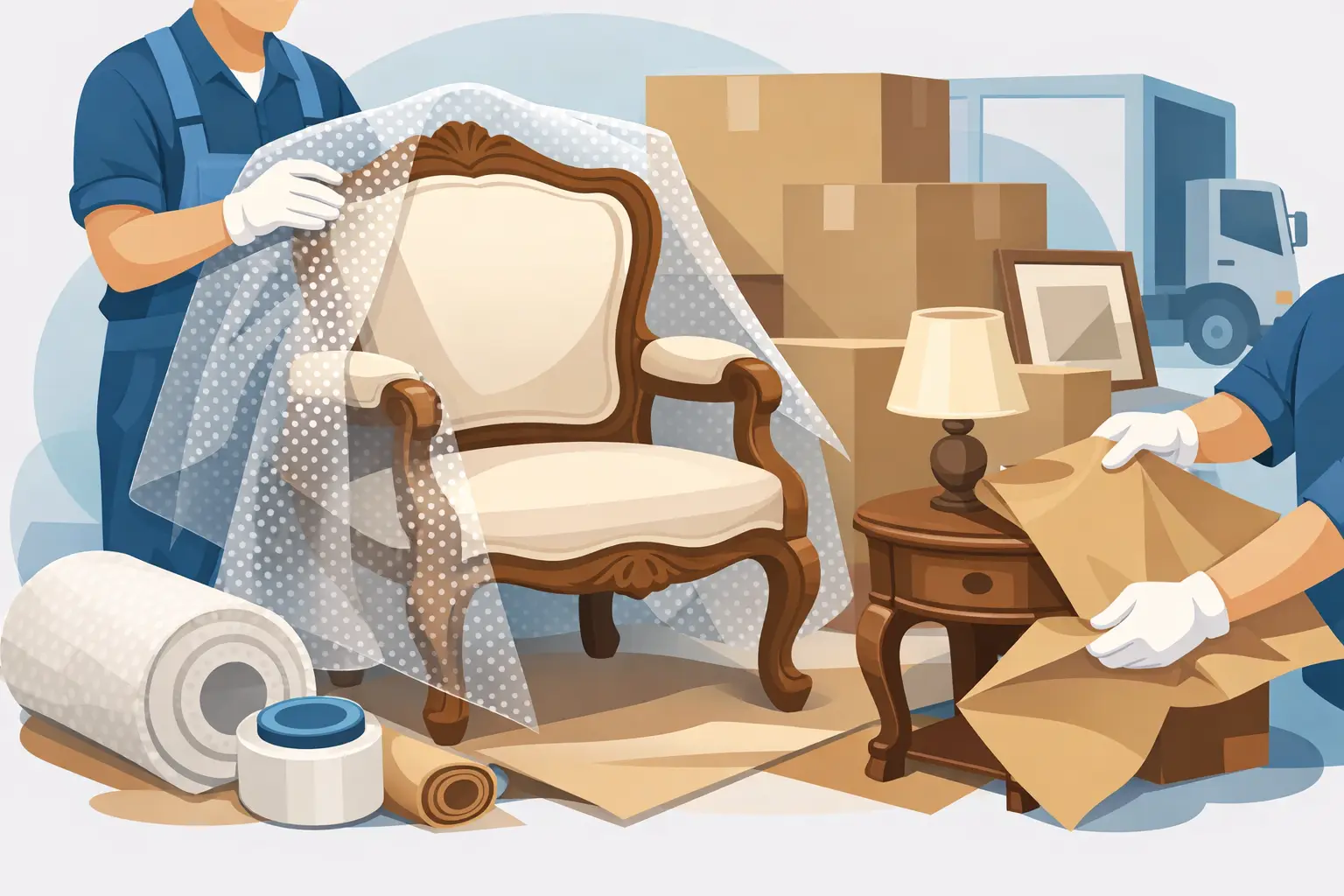
A carved walnut dresser, a hand-painted cabinet, or a family dining table can carry far more than monetary value. When you protect antique furniture for a move, the goal is not simply getting it from one address to another. It is preventing the small chips, loose joints, finish damage, and moisture exposure that can permanently change a piece.
Antiques were often built with solid wood, hand-cut joinery, shellac, veneer, old adhesives, and hardware that behaves differently from modern furniture. A piece that has remained stable in one home for decades can become vulnerable when it is lifted, disassembled, wrapped, loaded, stored, and exposed to changing temperatures. Careful planning makes the difference.
Start by Understanding What Makes the Piece Vulnerable
Before packing begins, inspect each item in good light. Look for loose legs, drawers that stick, lifting veneer, cracked marble, weak chair joints, missing hardware, or previous repairs. Take clear photographs from all sides, including close-ups of existing scratches and damage. This creates a useful condition record and helps you identify where extra protection is needed.
Do not assume age alone determines how delicate a piece is. A well-built 100-year-old table may travel more safely than a newer piece with loose particleboard components. On the other hand, a fragile gilt mirror, a cabinet with curved glass, or a veneered chest may need specialty handling even if it is relatively small.
If an item has a formal appraisal, insurance documentation, or a known maker, keep those records separate from the furniture itself. For especially valuable antiques, speak with your moving provider and insurance carrier before moving day about coverage and handling expectations.
How to Protect Antique Furniture Before the Move
Preparation should start several days before the truck arrives. First, clean only as much as necessary. Use a dry, soft microfiber cloth to remove surface dust. Avoid polishing, oiling, or using household spray cleaners right before a move. Many older finishes react poorly to moisture, silicone, alcohol, or harsh chemicals, and fresh polish can make a surface slick or leave residue under wrapping.
Remove contents from drawers, cabinets, and shelves. Even if a dresser seems sturdy, loaded drawers add weight and can strain old runners, pulls, and joints during carrying. Wrap fragile drawer contents separately. If drawers can be removed safely, label them so they return to the correct piece after delivery.
Take off detachable parts whenever practical. Table leaves, removable legs, shelves, finials, and mirror frames are often safer when packed separately. Keep screws, brackets, and hardware in labeled bags, then tape the bag to the underside of the item only if tape will not touch finished wood. Better still, place hardware in a clearly marked moving box.
Never pull an antique by its decorative trim, drawer pulls, arms, or a loose tabletop. Those details are often the first areas to break under pressure. Plan the lift points before anyone picks up the item.
Use the Right Layers of Protection
Antique furniture should not be wrapped directly in plastic for extended periods. Plastic can trap humidity against the finish, particularly during storage or a long-distance move. Shrink wrap has a role in securing padded blankets around an item, but it should generally be used as an outer layer rather than placed directly against delicate wood, veneer, or lacquer.
Start with clean furniture pads or moving blankets. Use breathable paper or soft moving pads between the finish and any outer securing material. Corners, carved details, feet, and exposed edges need extra padding because they are most likely to strike a doorway, truck wall, or another item.
For glass doors, mirror panels, or marble tops, use a separate protective plan. Glass should be secured and packed upright in a properly padded box or crate when possible. Marble is heavy and brittle, so it needs support across its full surface, not just padding around the edges.
Safe Carrying and Loading Matter More Than Muscle
Many antique furniture losses happen in hallways, stairwells, elevators, and loading areas, not inside the truck. Measure tight turns, doorways, and stair landings ahead of time. Remove doors from hinges if that gives the crew safe clearance, and protect walls and railings where space is limited.
Use a furniture dolly only when the item is stable and fully supported. Tall cabinets, delicate desks, and pieces with narrow legs may need to be hand-carried or transported with specialty equipment. A dolly can reduce strain on movers, but it can also put concentrated pressure on weak feet or frames if used incorrectly.
Once loaded, antiques should ride upright in a secure position and should not be stacked beneath heavy boxes or appliances. They need to be tied off with proper moving straps and surrounded by padded items that will not shift. Nothing should rub against finished surfaces as the truck stops, turns, or travels over uneven roads.
This is where an experienced crew is worth considering. Lowlow Shipping Inc handles specialty moves involving antiques and other high-value items, with professional packing, protective wrapping, careful loading, and transport planning built around the piece rather than a one-size-fits-all approach.
Watch Temperature and Humidity During Transport and Storage
Wood expands and contracts as humidity changes. Veneer can lift, joints can loosen, and finishes can crack when an antique moves quickly from a climate-controlled home into extreme heat, cold, or damp conditions. New York moves can involve humid summer days, winter freezing temperatures, rain, or an unheated storage space, sometimes within the same week.
For a short local move, protective wrapping and prompt delivery are usually enough. For a long-distance move, temporary storage, or a piece with delicate veneer, inlay, leather, or old finishes, climate-controlled storage may be the better choice. It costs more than standard storage, but that trade-off can be sensible when preservation matters more than the lowest monthly rate.
Keep antiques off concrete floors in storage and away from exterior walls, direct sunlight, vents, and potential water sources. Even in a climate-controlled facility, a padded furniture cover offers an extra buffer against dust and accidental contact.
Avoid These Common Mistakes
The most damaging decisions are usually made with good intentions. People often wrap a valuable chair tightly in plastic, leave heavy items in antique drawers, or use tape directly on wood because it seems fast and secure. Each choice can create a problem that is more expensive than the time saved.
Avoid these four mistakes:
- Dragging furniture across floors, which can loosen legs, damage feet, and scratch both the piece and the flooring.
- Lifting by handles, arms, decorative rails, or marble tops instead of the structural frame.
- Placing antique furniture in a truck with no padding between it and hard surfaces or heavy cargo.
- Storing wood furniture in garages, basements, attics, or units with uncontrolled moisture and temperature.
Also resist the urge to make a last-minute repair before moving day unless you are confident in the method. Glue that has not fully cured, a newly attached leg, or a rushed veneer repair may fail while the piece is being carried.
Set Up Carefully at the New Home
Protection does not stop at delivery. Give furniture time to adjust after it arrives, especially after a long move or a change in climate. Place it away from direct sunlight, radiators, heating vents, fireplaces, and air-conditioning blasts. Consistent conditions are kinder to old wood than constant swings in temperature and humidity.
Before reinstalling shelves, mirror frames, or table leaves, inspect the piece again. Check that feet sit level and that doors and drawers operate normally. If something seems misaligned, do not force it. A small adjustment to floor leveling or hardware can prevent a larger repair later.
Antique furniture has already survived generations because someone treated it with care. Give it the same attention during a move: assess it honestly, pack it in breathable layers, use safe lifting methods, and choose storage conditions that respect the materials. That careful approach protects not only the furniture, but also the history it carries into its next home.