The truck is booked, but your closets are still full, the kitchen is untouched, and you are staring at a room full of things that somehow need to fit into boxes. Can movers pack and unpack? Yes. Many moving companies offer both services, and they can turn a stressful relocation into a much more manageable process.
Packing and unpacking are often available as part of a full-service move or as add-on services. The right option depends on your schedule, budget, the size of your move, and whether you have fragile, oversized, or high-value items that need extra care.
Can Movers Pack and Unpack Everything?
Professional movers can usually pack most household or office belongings, including clothing, books, dishes, electronics, decor, furniture, files, and everyday kitchen items. A trained crew brings the materials and knows how to protect items for loading, transportation, and unloading.
For a full packing service, movers typically work room by room. They wrap furniture, box loose belongings, label cartons, and use proper protection for fragile pieces. This is especially helpful for busy families, apartment residents facing a tight move-out date, seniors downsizing, and business owners who cannot afford a long interruption to operations.
There are a few exceptions. Movers generally cannot pack hazardous or restricted materials, such as gasoline, propane tanks, fireworks, paint thinner, aerosol products, and certain chemicals. Perishable food, valuables such as cash or important documents, medications, and personal items you need immediately are also best packed and kept with you.
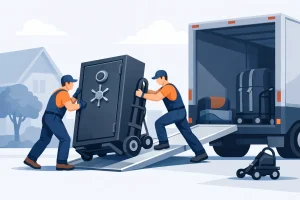
If you have specialty belongings, ask about them before booking. Pianos, organs, antiques, fine art, gun safes, pool tables, and large electronics often require a crew with the right equipment and handling experience. These items should never be treated like standard boxes in a moving truck.
What Packing Services Usually Include
A professional packing service should be clear about what is included before moving day. In most cases, the crew supplies cartons, tape, packing paper, padding, shrink wrap, and other materials needed to protect your belongings. They may also disassemble furniture when necessary and prepare it for transport.
You can choose a level of service that fits your move. Full packing means the crew handles nearly all packing throughout the home or office. Partial packing focuses on selected rooms or items, such as the kitchen, glassware, artwork, or electronics. Some customers pack most of the home themselves and hire movers only for fragile items and furniture protection.
Partial packing can be a smart middle ground. Kitchens take longer than most people expect because every glass, plate, pan, and small appliance must be secured. Letting professionals handle that one room can save hours while giving you confidence that breakable items are protected.
A reliable company should also label boxes clearly by room and contents. Good labeling speeds up unloading and gives you a better chance of finding essentials when you arrive. If labeling matters to you, tell the crew how you want boxes marked before packing begins.
What Unpacking Movers Do After Delivery
Unpacking is more than dropping boxes in the correct room. Depending on the service you select, movers can bring cartons inside, place furniture where it belongs, unwrap furniture, reassemble pieces they disassembled, and remove packing debris.
Full unpacking may include opening cartons, placing items on flat surfaces, and taking away empty boxes and paper. However, the exact scope varies by company. Some services will unpack boxes but will not organize closets, cabinets, drawers, or personal collections. That distinction matters, particularly if you expect the home to be completely settled by the end of the day.
Before the move, ask what unpacking means in writing. Will the crew unpack every carton? Will they put dishes in cabinets or simply place them on the counter? Do they remove all used materials? Can they assemble beds, tables, shelving, and office furniture? Clear answers prevent surprises and help you choose the service level you actually need.
For many customers, an unpack-and-debris-removal service is worth the added cost. It means you are not surrounded by stacks of cartons for weeks after the move. Families can get bedrooms functional sooner, and businesses can return to work faster.
How Much Does Packing and Unpacking Cost?
Packing and unpacking add labor time and materials, so they are usually priced separately from basic loading and transportation. The total can depend on the number of rooms, the amount of inventory, access conditions, specialty items, packing supplies, and how much unpacking you request.
A small apartment that needs only kitchen packing will cost far less than a large home requiring a full crew for a full day. Likewise, a walk-up apartment, limited elevator access, long carries, or a complex office setup can increase labor time. The best approach is to request an upfront estimate based on the actual services you want, not just the move itself.
Be cautious with vague pricing. Ask whether materials are included, whether there is a minimum number of hours, and whether unpacking and box removal are billed separately. Affordable service is not simply the lowest initial number. It is a clear quote that accounts for the work needed and avoids last-minute charges.
How to Prepare Before the Packers Arrive
Hiring movers to pack does not mean you have nothing to do. A little preparation helps the crew work efficiently and protects the items you want to keep close.
Set aside a personal essentials bag with identification, medications, chargers, keys, important paperwork, valuables, and a change of clothes. If you are moving with children or pets, pack what they will need for the first night separately. Do not place these items in a carton that could be loaded onto the truck.
Walk through the home and identify anything that is not moving. Use clear labels or place those items in one designated area. If certain rooms, boxes, or possessions need special attention, point them out at the start of the appointment. Photos, heirlooms, and fragile collections deserve a direct conversation, not an assumption.
You should also clear obvious trash, donate unwanted belongings, and decide what needs to be discarded before packing begins. Professional packers can pack efficiently, but they cannot decide what you no longer want. Reducing clutter first can lower packing time, material use, and moving costs.
When Full-Service Packing Makes the Most Sense
Full-service packing is not necessary for every move. If you have plenty of time, few belongings, and a modest budget, self-packing may be the better choice. Still, professional packing is often worthwhile when time, safety, or complexity is the bigger concern.
It is a practical option for last-minute moves, long-distance relocations, large homes, office moves, and households with delicate or specialty items. It can also help when you are recovering from an injury, managing a family transition, or moving while working a demanding schedule.
For Long Island and New York City customers, Lowlow Shipping Inc can coordinate packing, moving, unpacking, furniture assembly, and specialty handling under one organized plan. Working with one experienced team can reduce the confusion of arranging separate packers, movers, labor crews, and disposal services.
Questions to Ask Before You Book
Ask whether the company is licensed and insured, what packing materials are included, and whether the crew has experience with your specific type of move. If you need packing and unpacking, confirm the expected timeline and the number of workers assigned to the job.
It also helps to ask how damage claims are handled and whether specialty items require additional preparation or pricing. A professional mover should answer these questions directly and provide a service plan that matches your inventory, building access, and schedule.
A move feels far less overwhelming when you do not have to choose between doing every task yourself and handing over control. Choose the packing help that removes the biggest pressure points, keep your essentials close, and let an experienced crew handle the work that takes the most time and care.